AMM #185: Robots, Sponge-capacitor & more
In this month's Maker Meetup we had quite a few projects, from robots and light-cube memory game to a sponge filled plate condesator and acoop game prototype. Everything together with some pizza and a tour through our fablab.
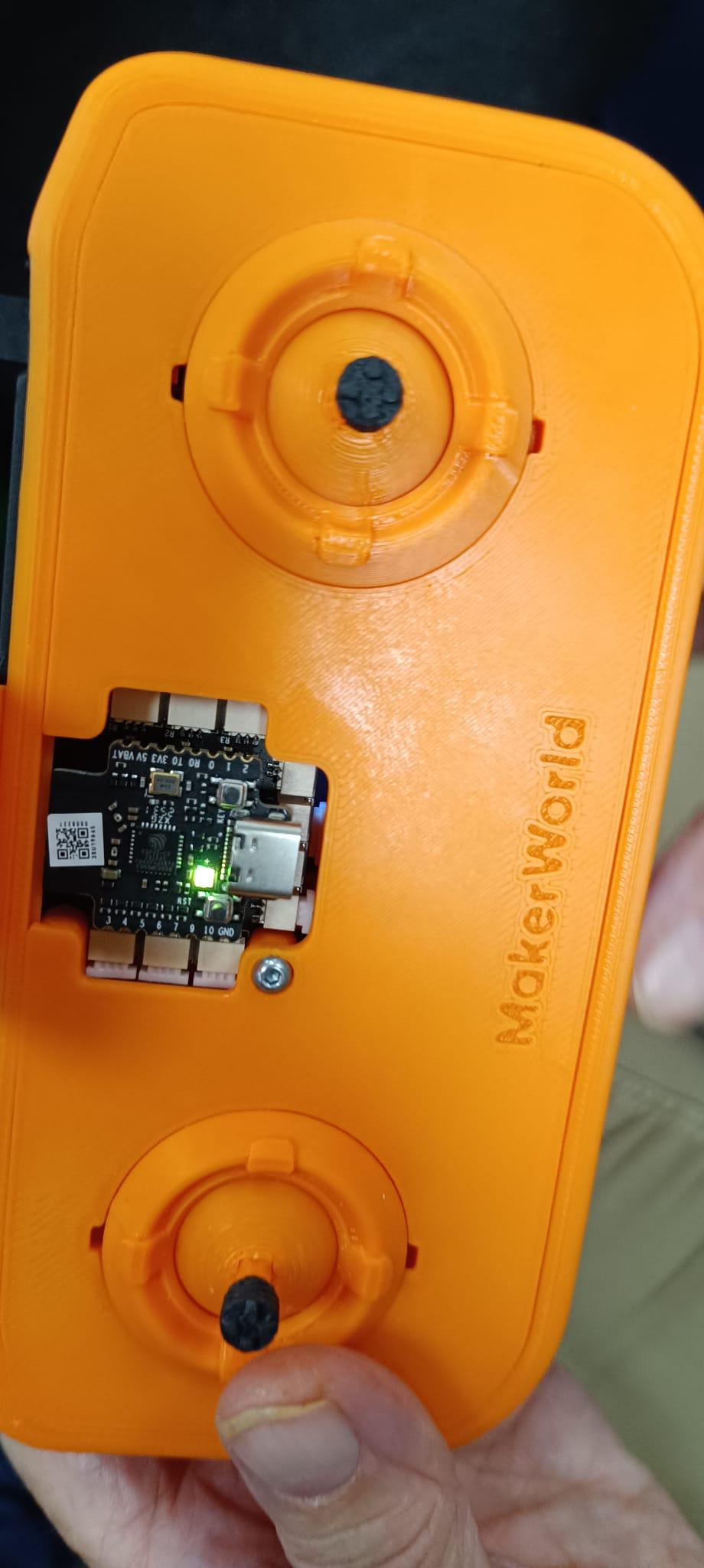
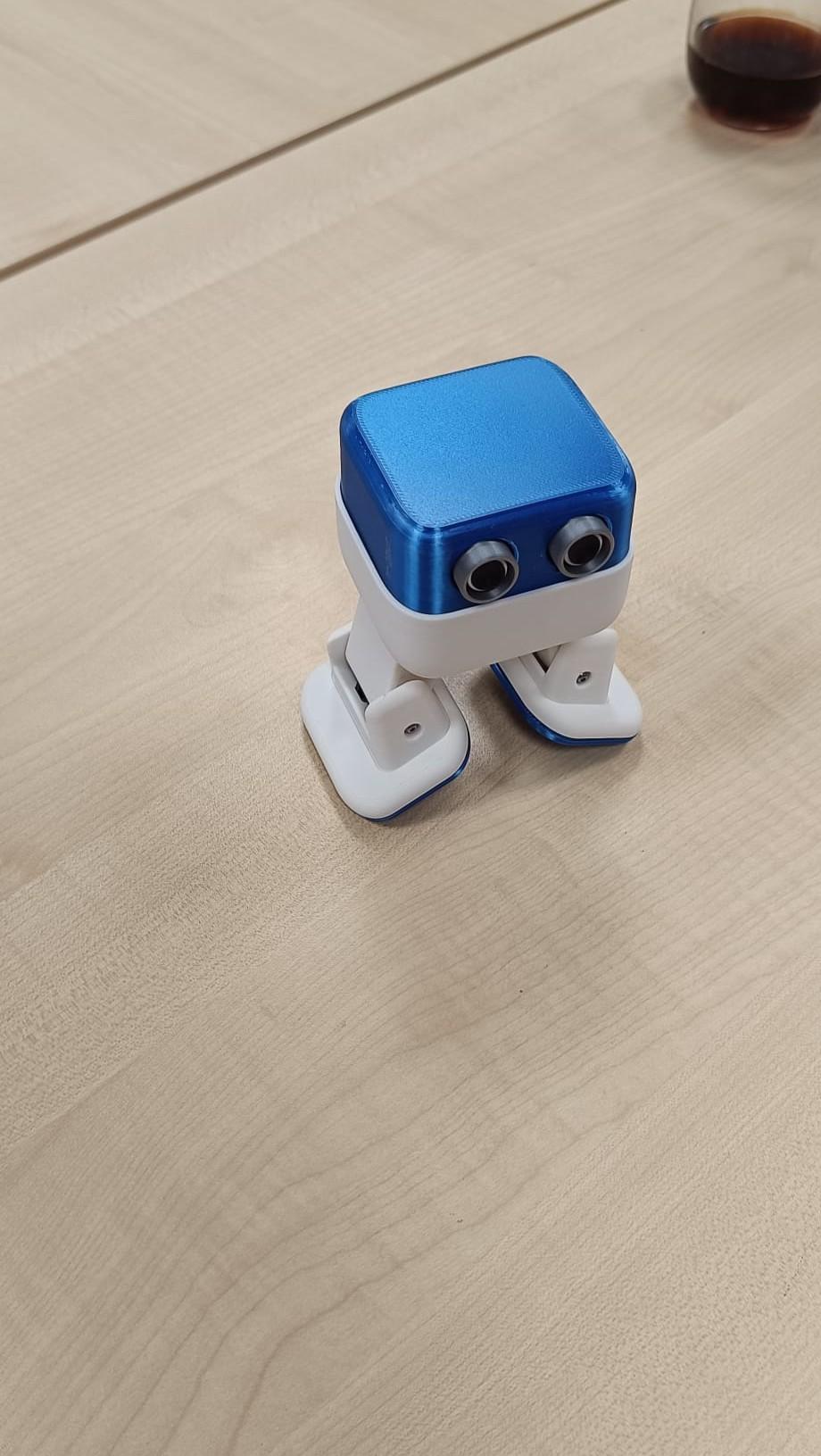
For this Meetup Birgit brought a little dancing robot which can tilt its feet in two different rotation directions with its 4 servo motors. The hull as well as the remote control are 3d printed and everything is controlled by a microcontroller. The other robot you see in the second video is also controlled by the remote. The toolset is called "Cyberbrick".
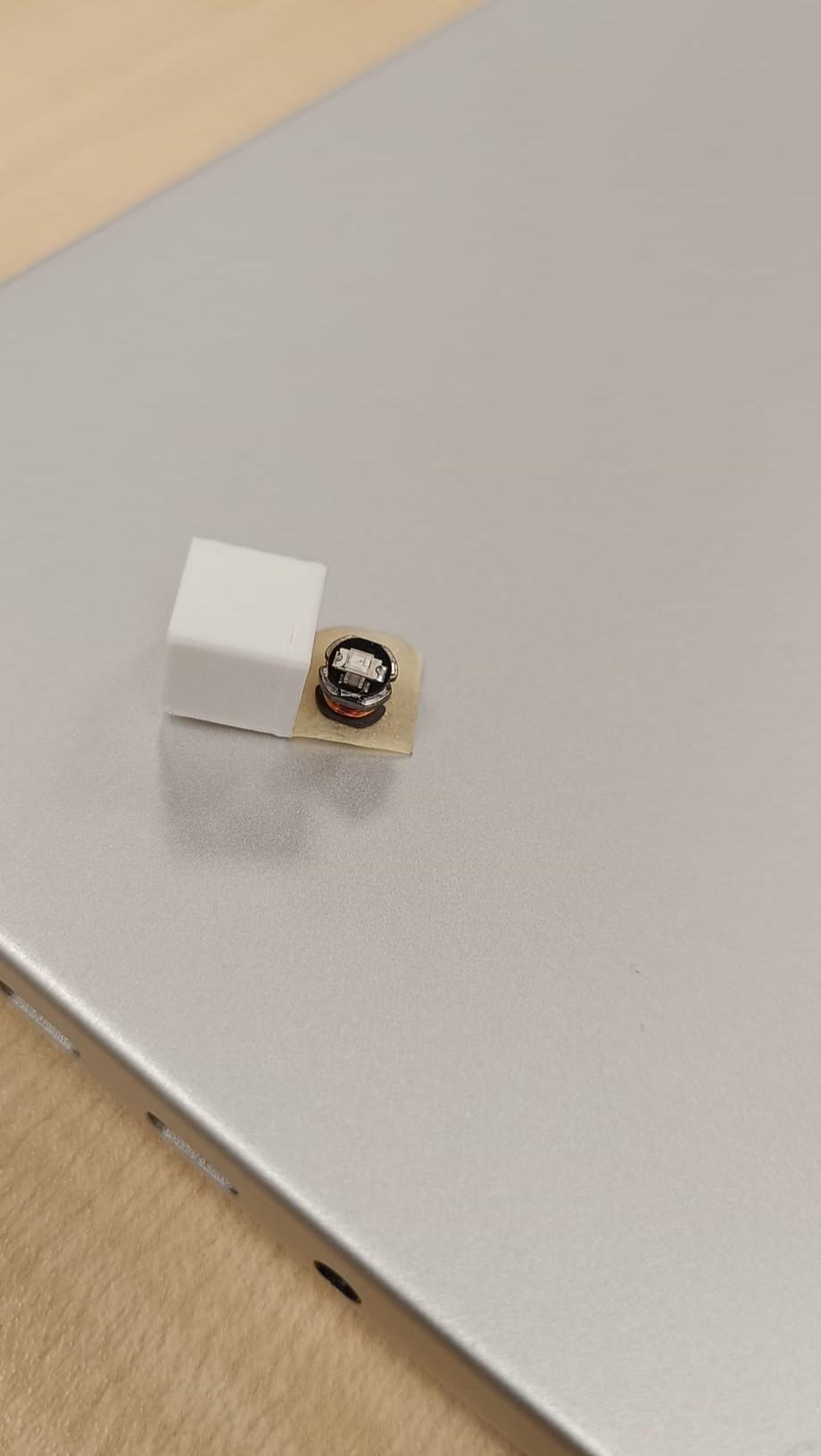
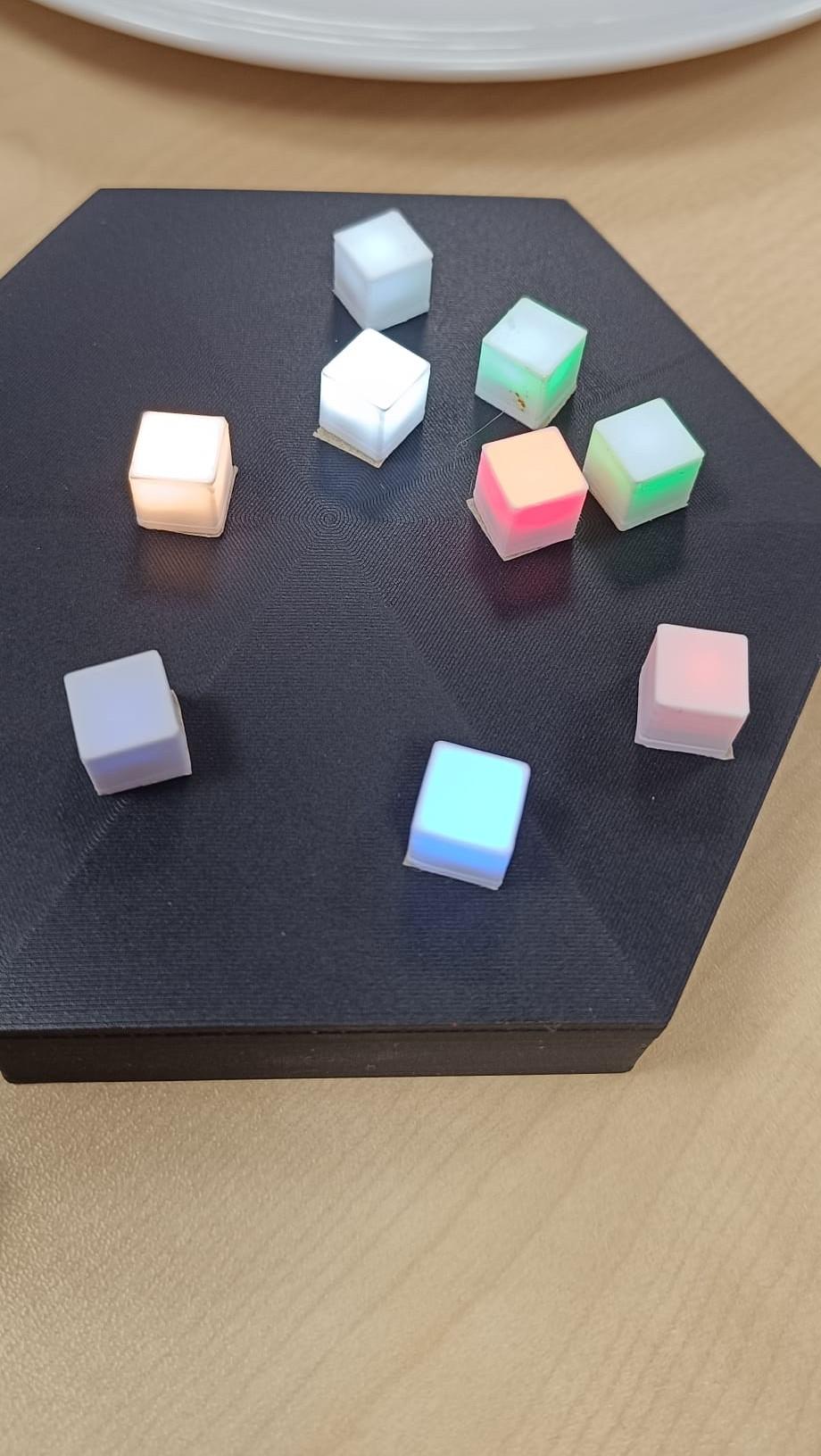
The other gadget she showed us, were these tiny light cubes. Powered by an electromagnetic field the LED begin to light up when put on the base. Birgit thought of a little memory game so she had two of each color with her.
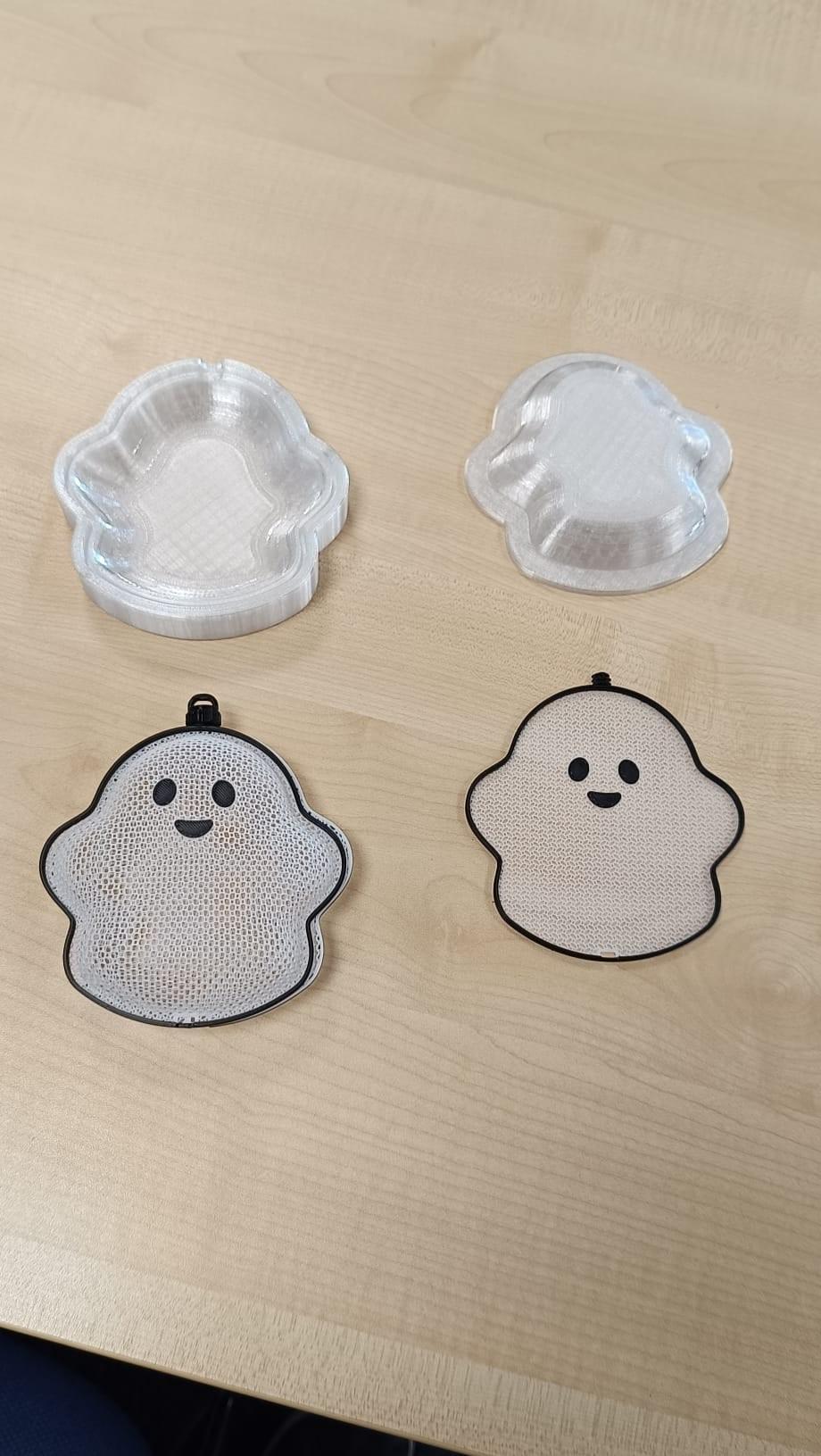
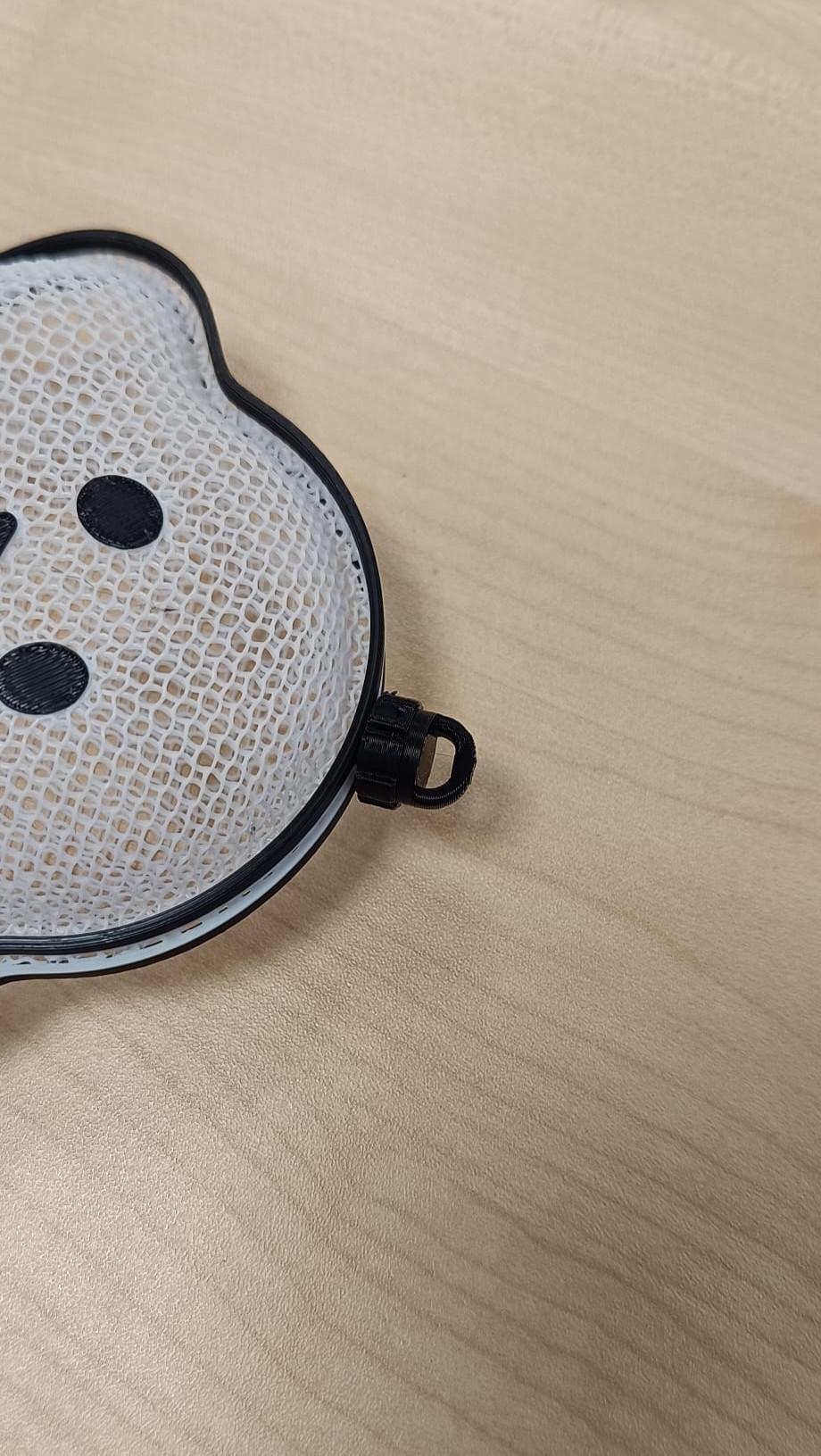
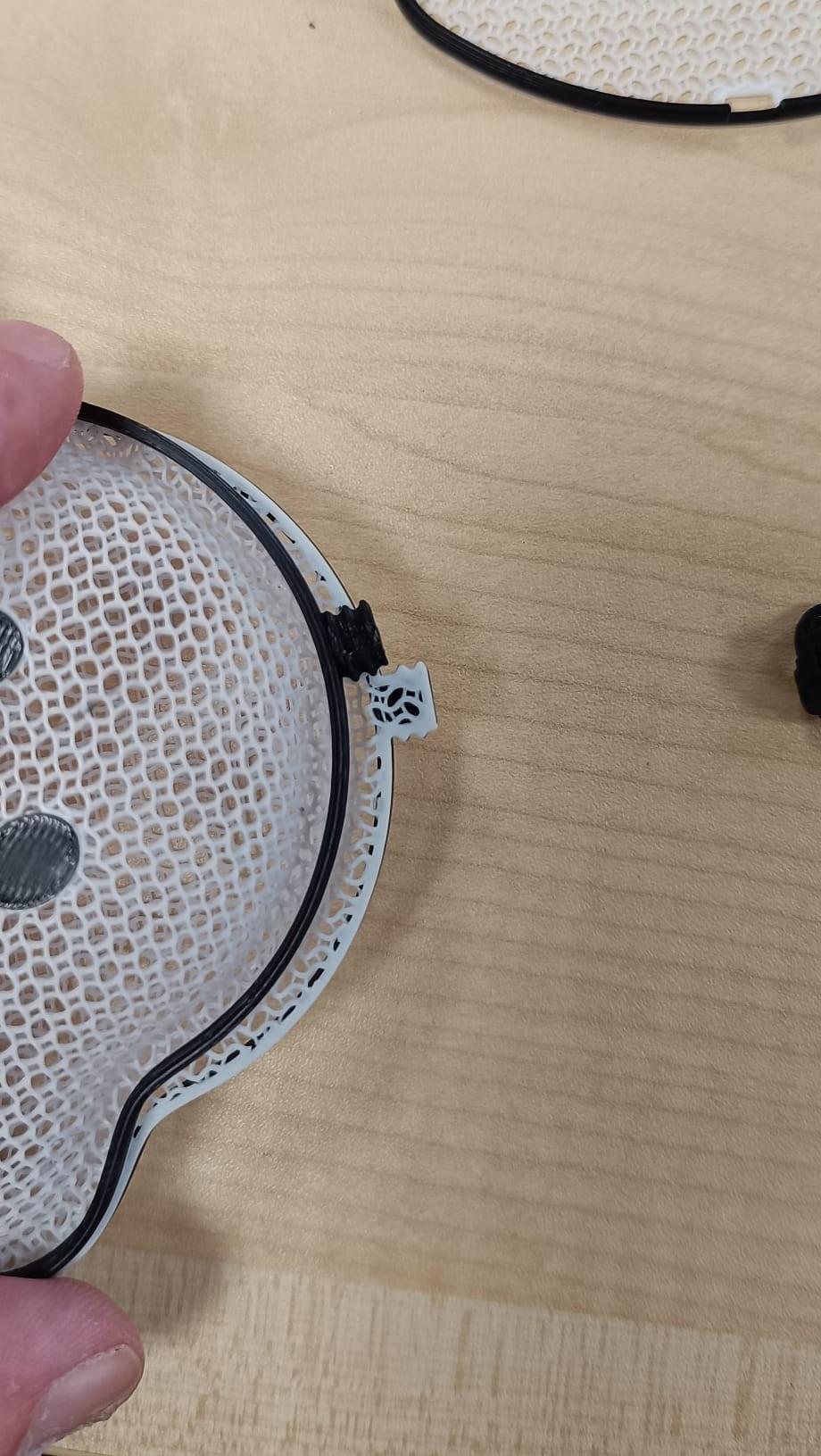
Martins thoughts were already at Halloween on and a half months ahead. He found this ghost online and brought us a sample of its making process. With a form of PETG and a flat ghost of PLA you can use their different softening tempertures to create a three dimensional, ghost shaped grid without supports and long print times. As shown in de video you heat up the PLA then press it into shape with the PETG and when it cools down it stays in its shape. the two halves are then closed by a printed screw and you have a wonderful little bag.
Link to the creator: https://makerworld.com/de/@mihai_t
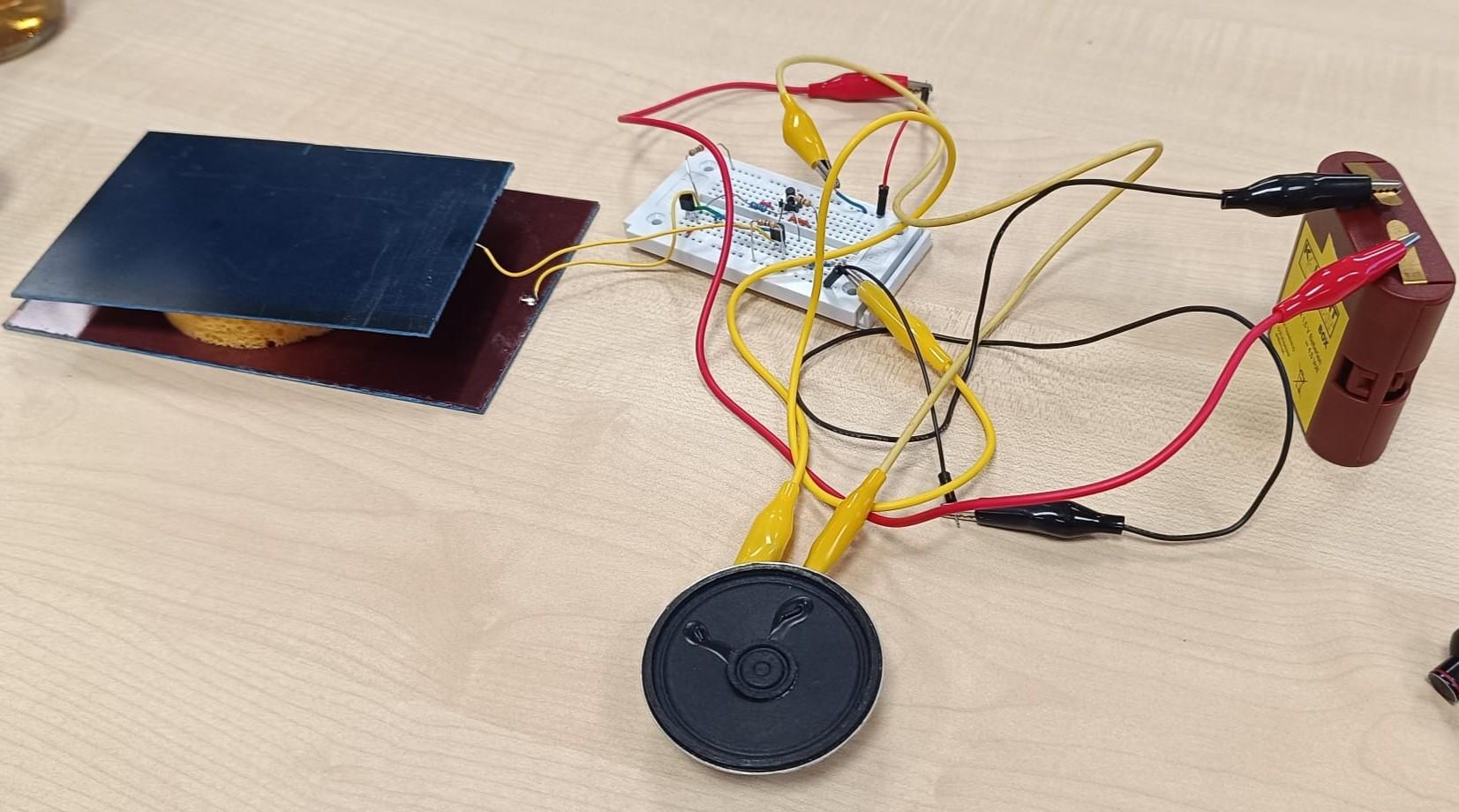
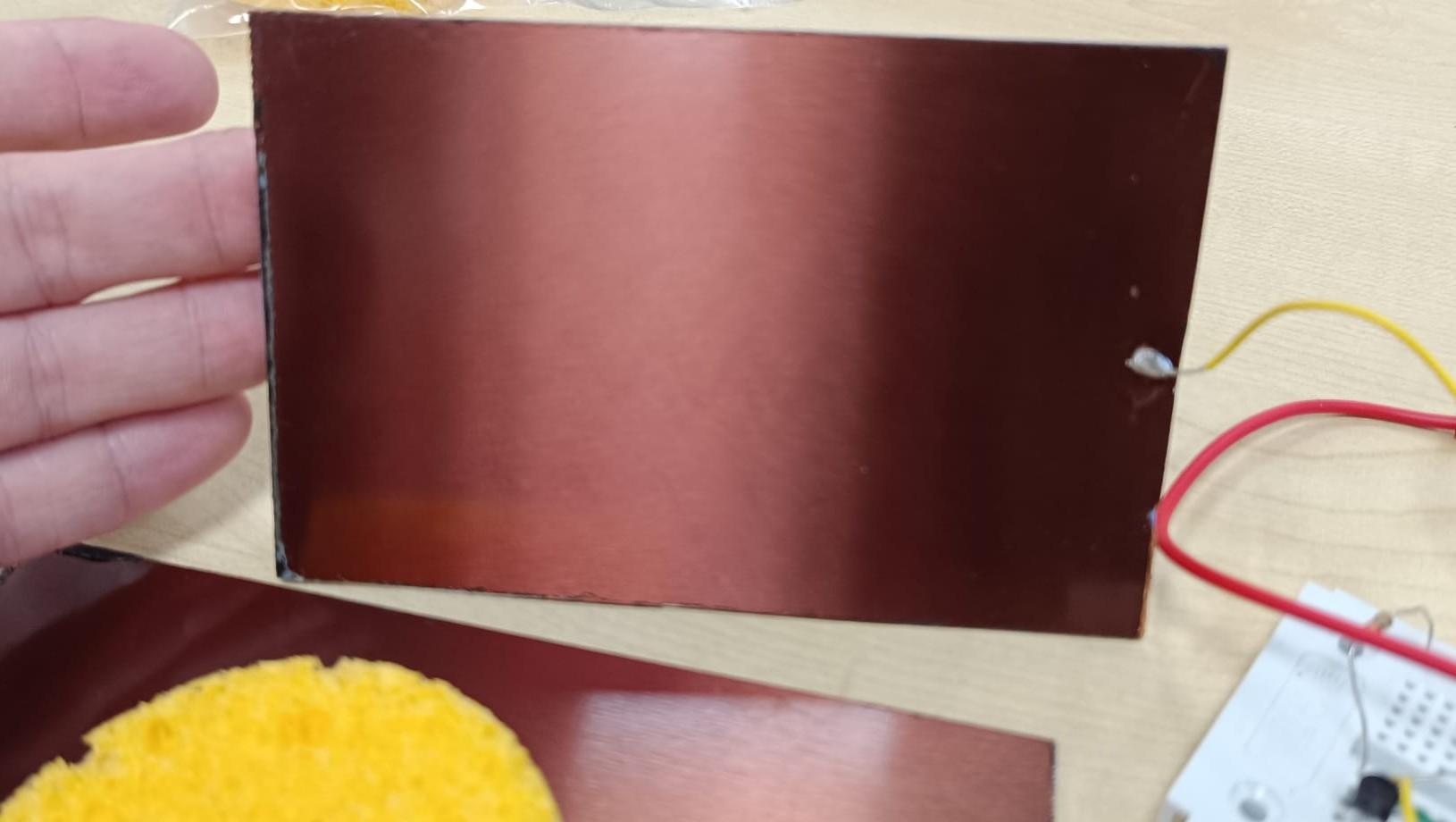
That our makers are on the pulse of time shows us Roger's project this month. It is known for not that long that cellulose sponges are a good fit to be the dielectric material in a plate condesator.
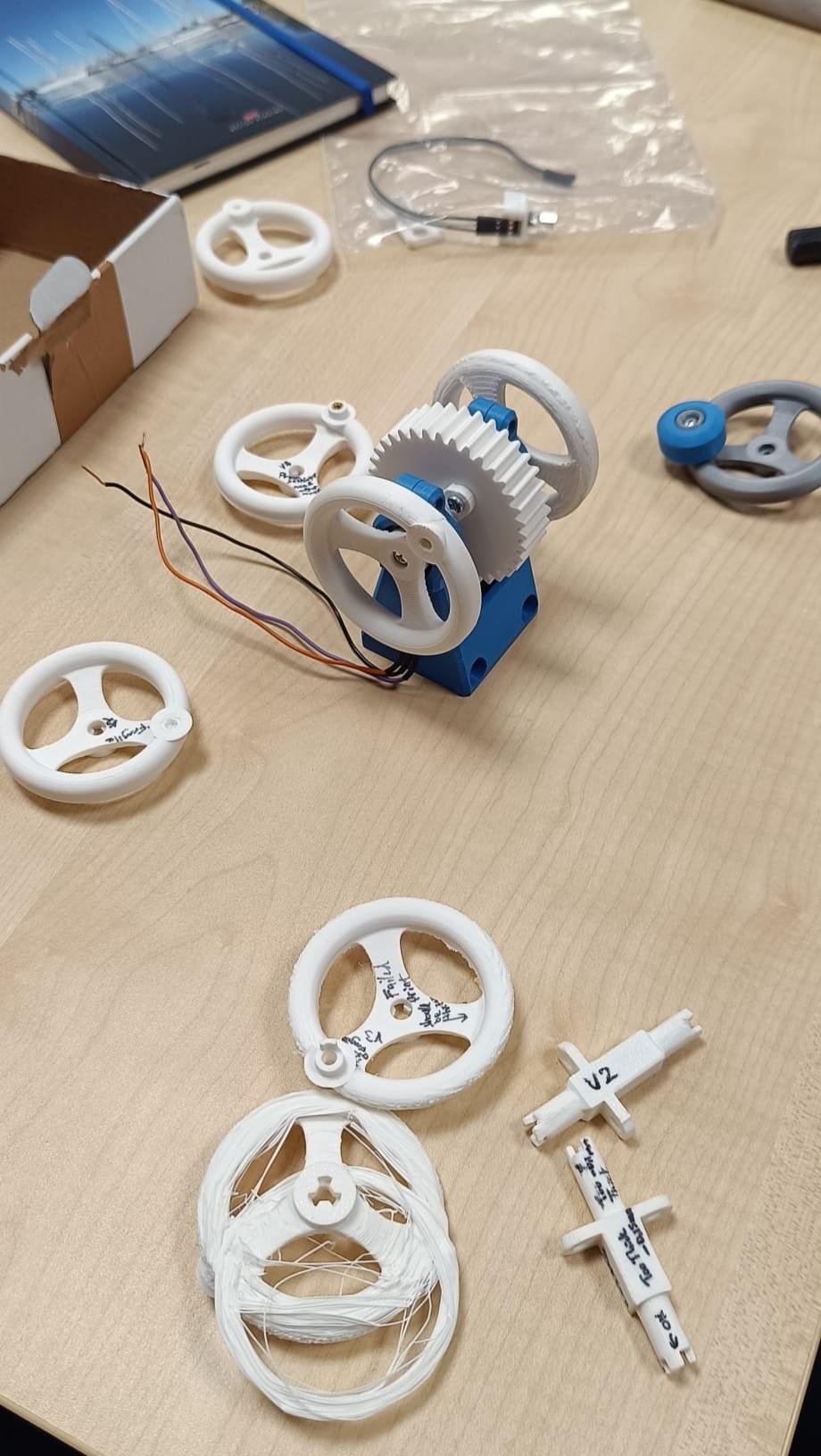
Anil creates his own little cooperative game. Players have to control a Flak cannon and shoot on virtual planes. One player stirs the horziontal and one the vertical axis. The current prototype can be seen in the picture below. It has a raspi pico which enables a rotary encoder to translate the different wheel positions.
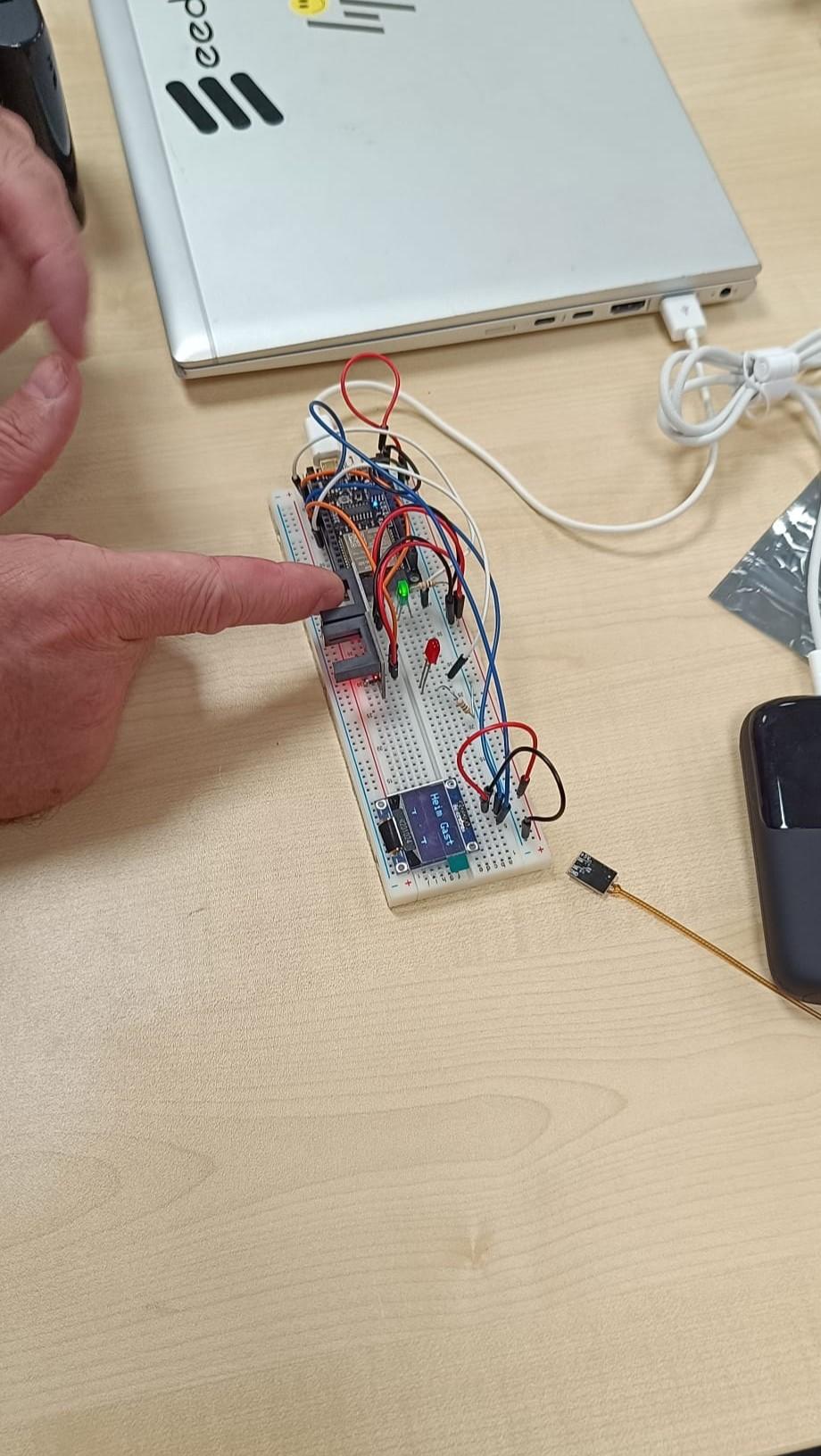
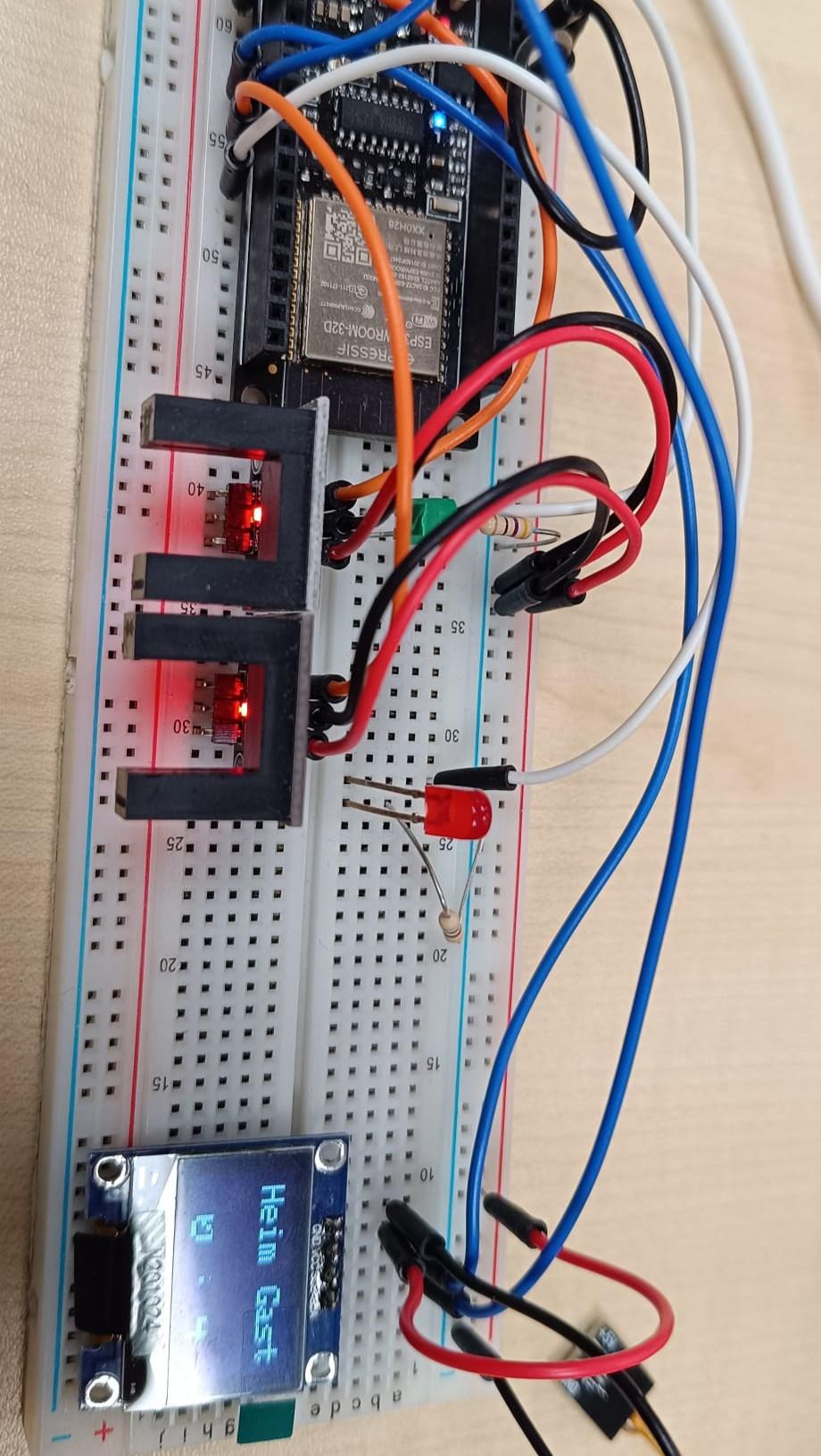
For his trainees Helge built a table football counter. When the ball crosses the light barrier the LED lights up and the counter goes up by one. A perfect little project for learning programming and electronics. Well done.