
AMM #183: Optical Motion Tracking, Mecanum-Wheel Rover & more
At this month's Aachen Maker Meetup, we had a busy evening with a variety of projects. From electronics and robotics to 3D printing and vintage computing, there was something for everyone to discover.
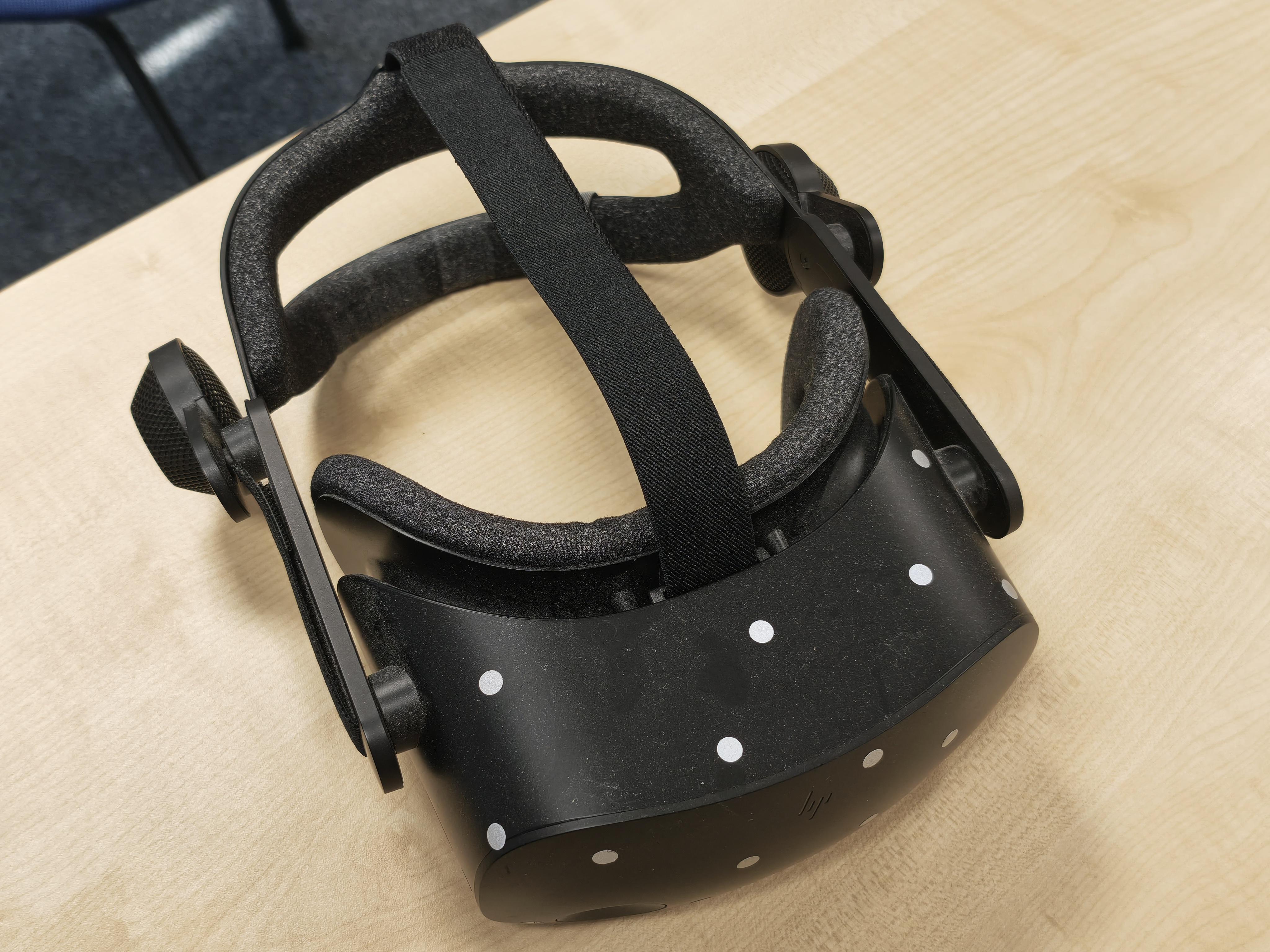
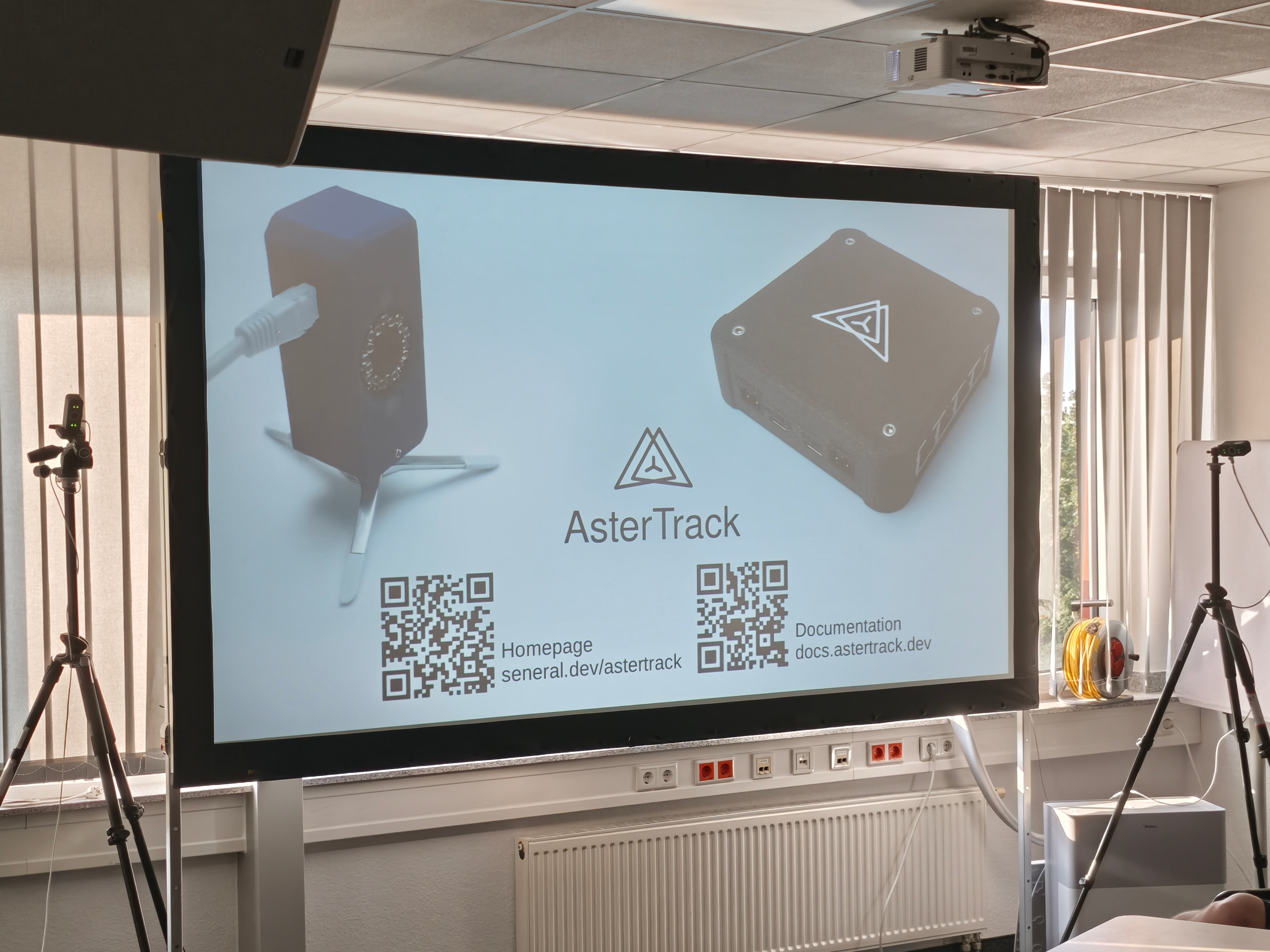
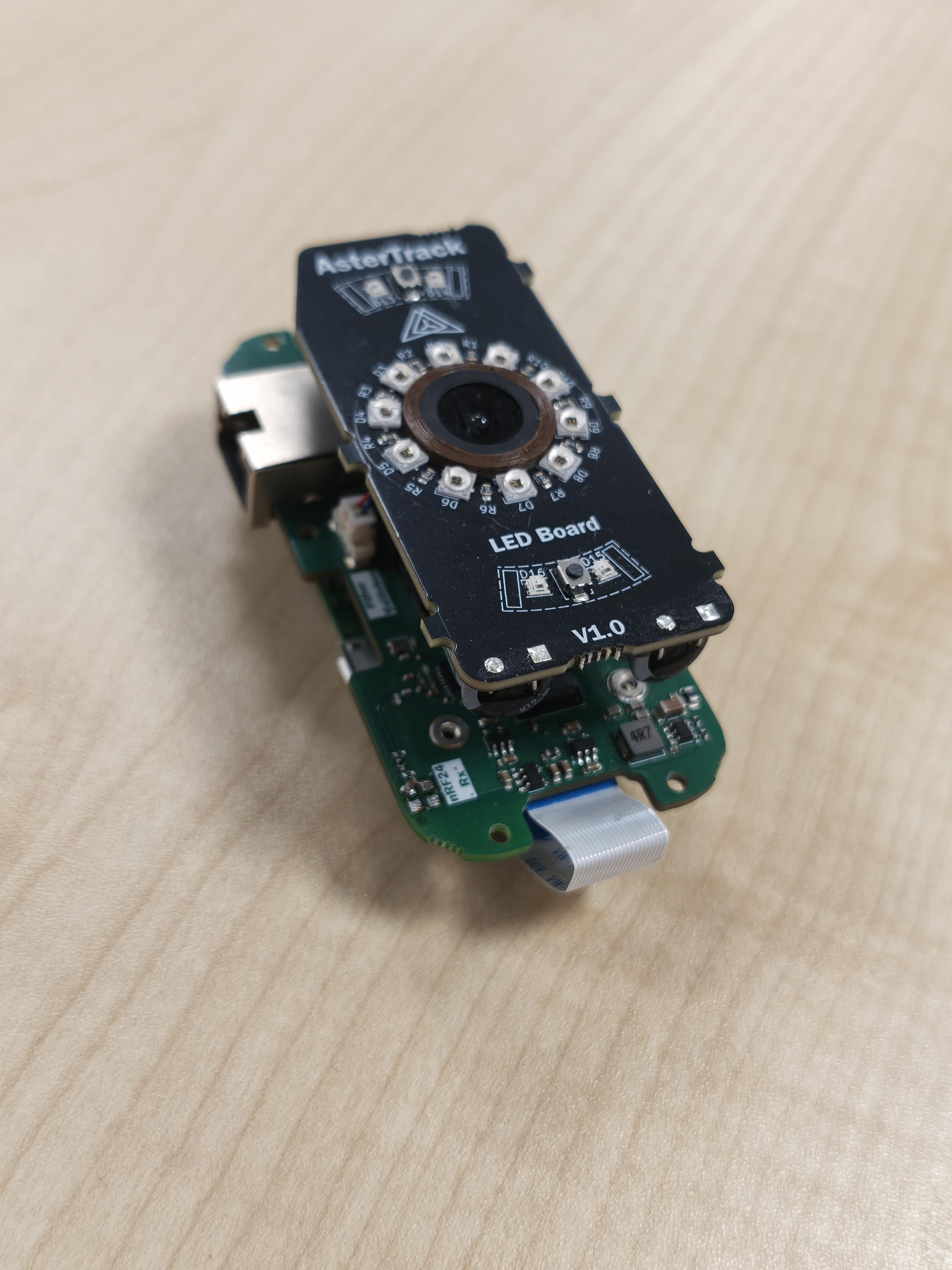
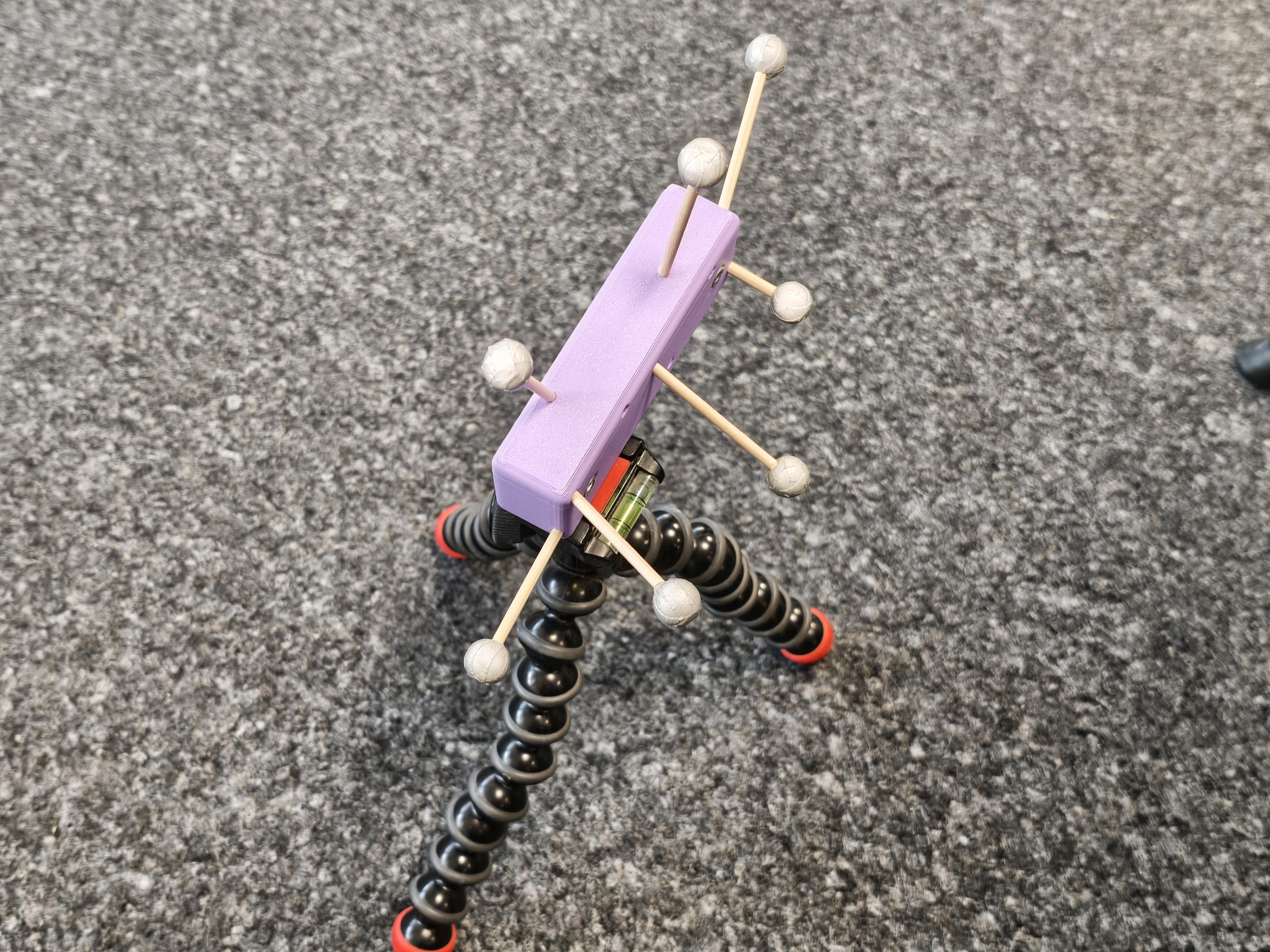
Levin presented the current state of his infrared optical tracking system Aster Track for virtual reality and motion tracking applications. The setup uses infrared ring lights attached to cameras to track the movement of retroreflective markers. An important part of the project is the calibration procedure, including a "calibration dance" to help determine the correct camera positions
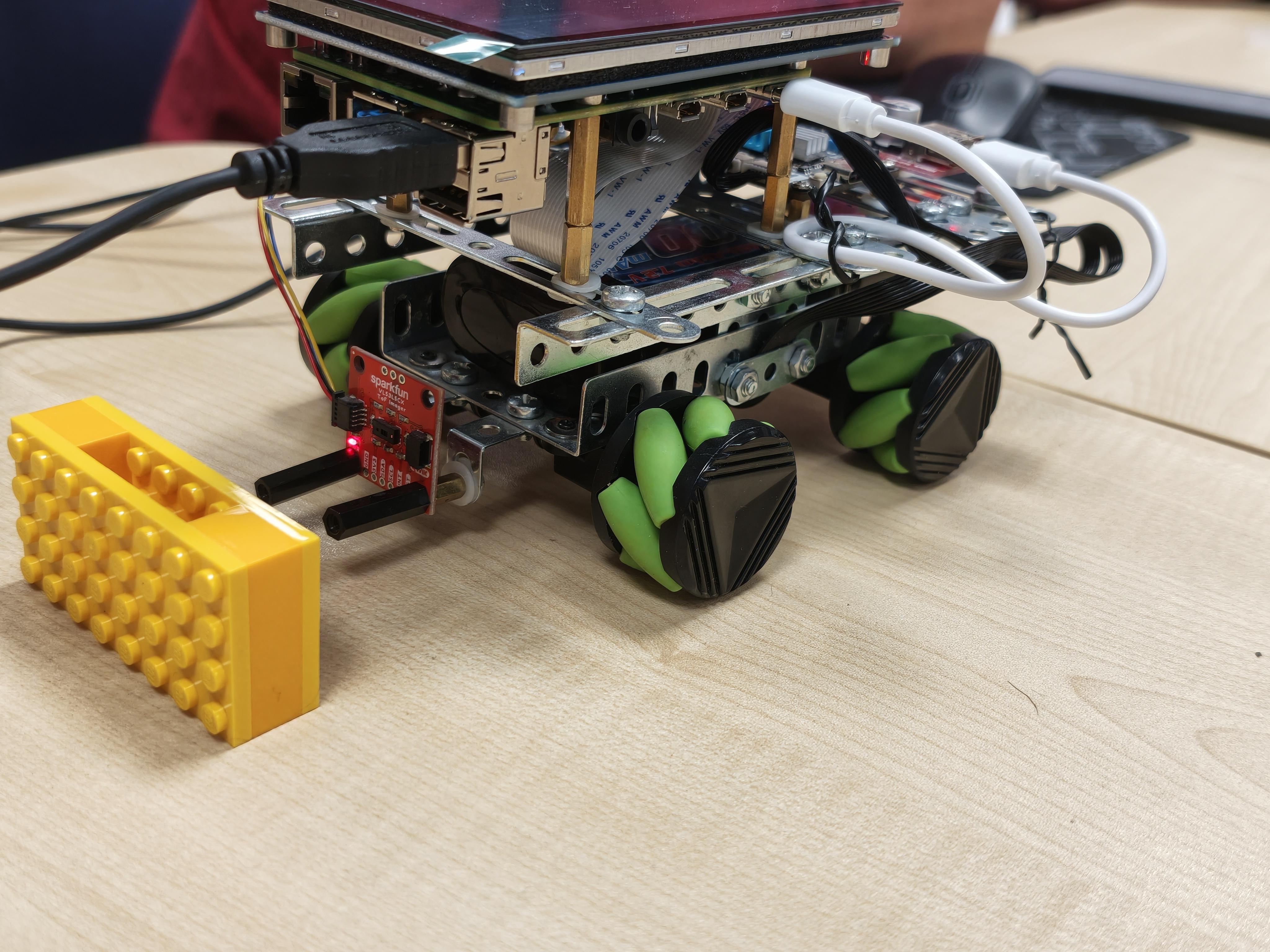
Eduard demonstrated an omnidirectional rover using a Raspberry Pi and a Pimoroni Pico. The vehicle uses Mecanum wheels, allowing it to move freely in every direction. The Pico microcontroller handles pre-defined motion sequences. Additionally, the Raspberry Pi hosts a web interface enabling smartphone control. The rover can also detect obstacles using a ToF imager mounted at the front of the vehicle. The project was developed using Thonny, a beginner-friendly Python IDE with support for MicroPython microcontrollers. Synchronizing the individual motors, however, remained one of the challenges.
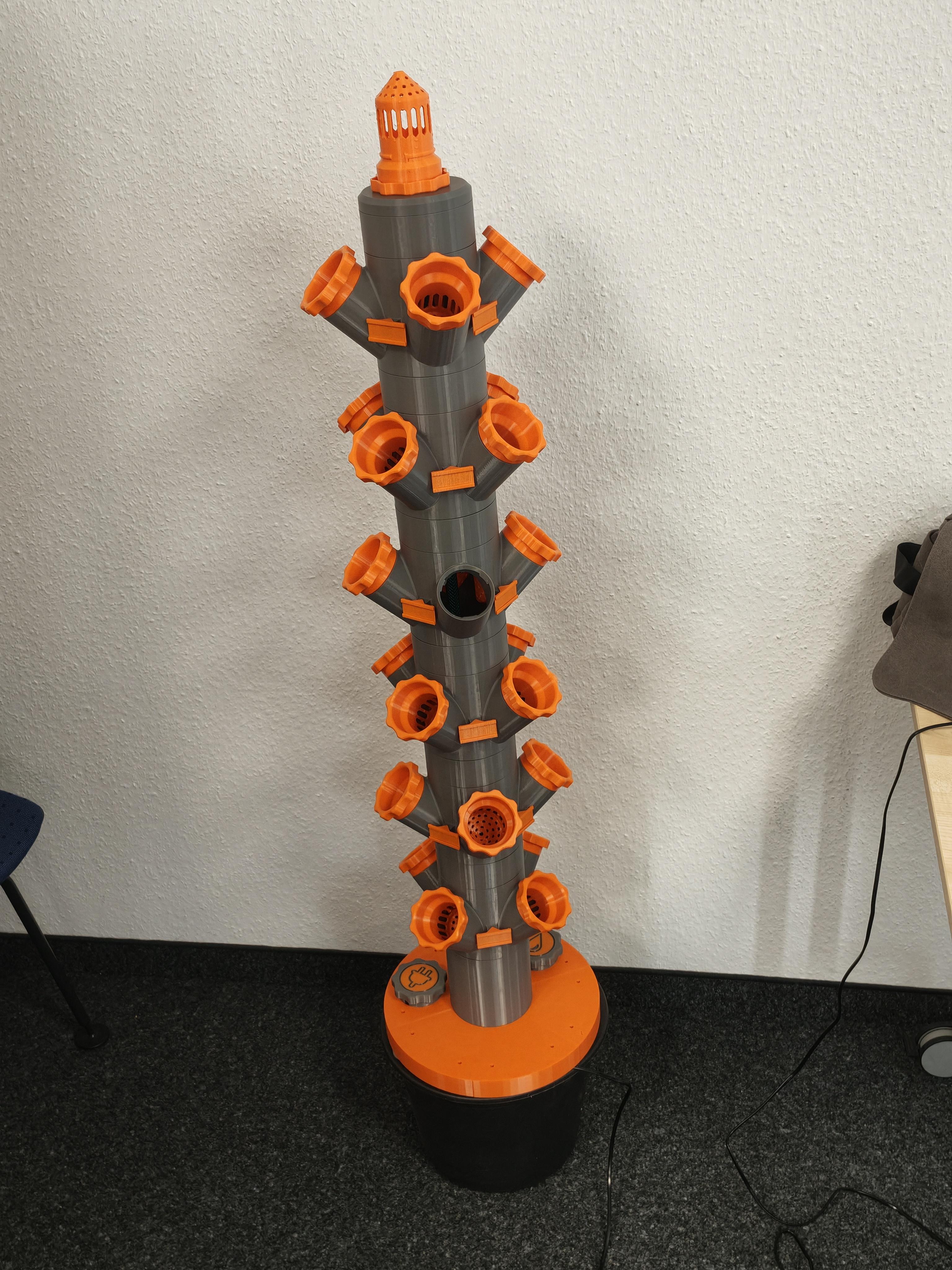
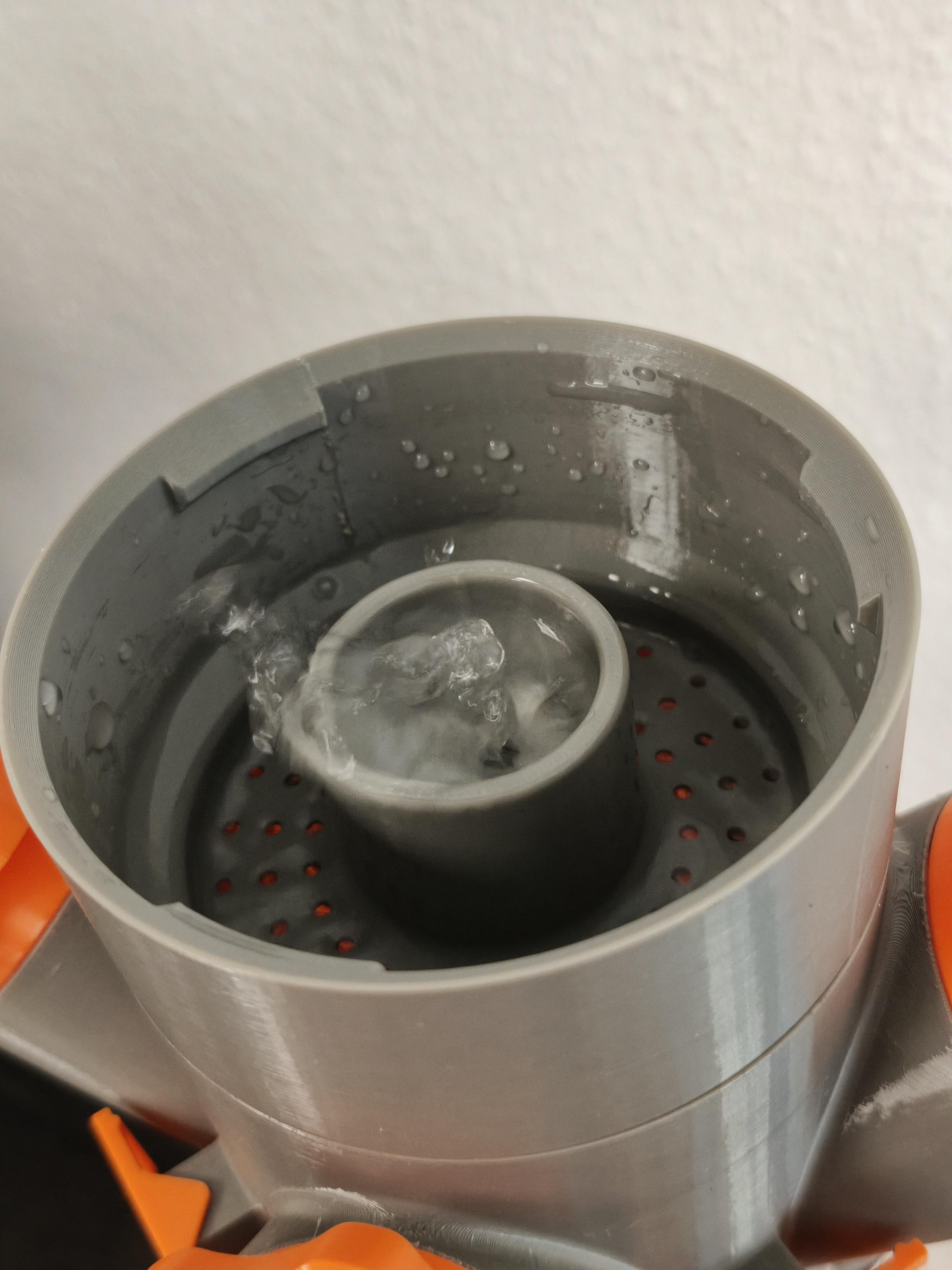
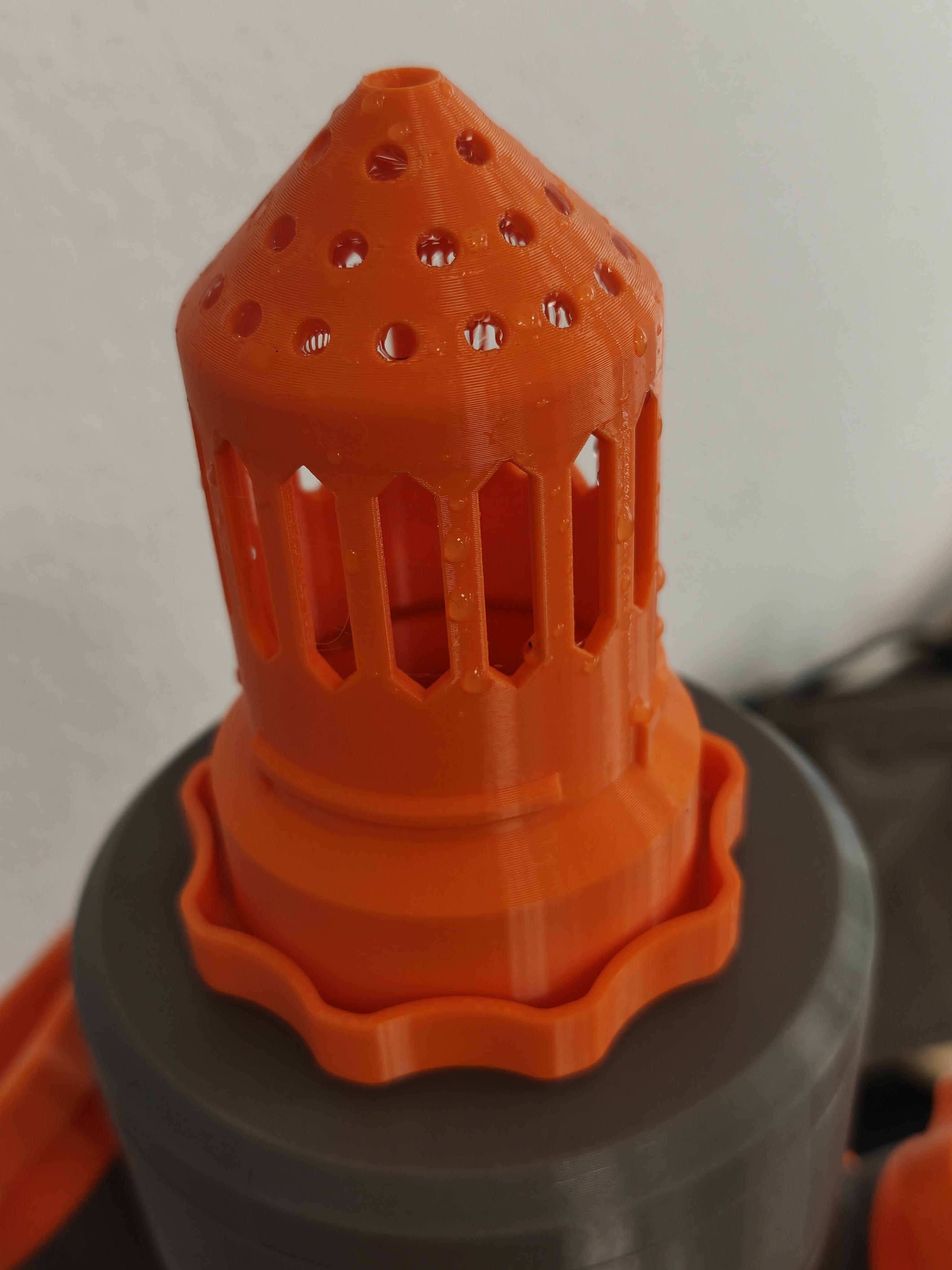
Martin presented an automatic drip irrigation system that he built as a gift for a friend. The system is almost entirely 3D printed in PETG, requiring around 130 hours of printing time and 4 kg of filament. A small submersible pump placed inside a bucket underneath supplies the plants with a constant stream of water, keeping them watered with minimal maintenance.
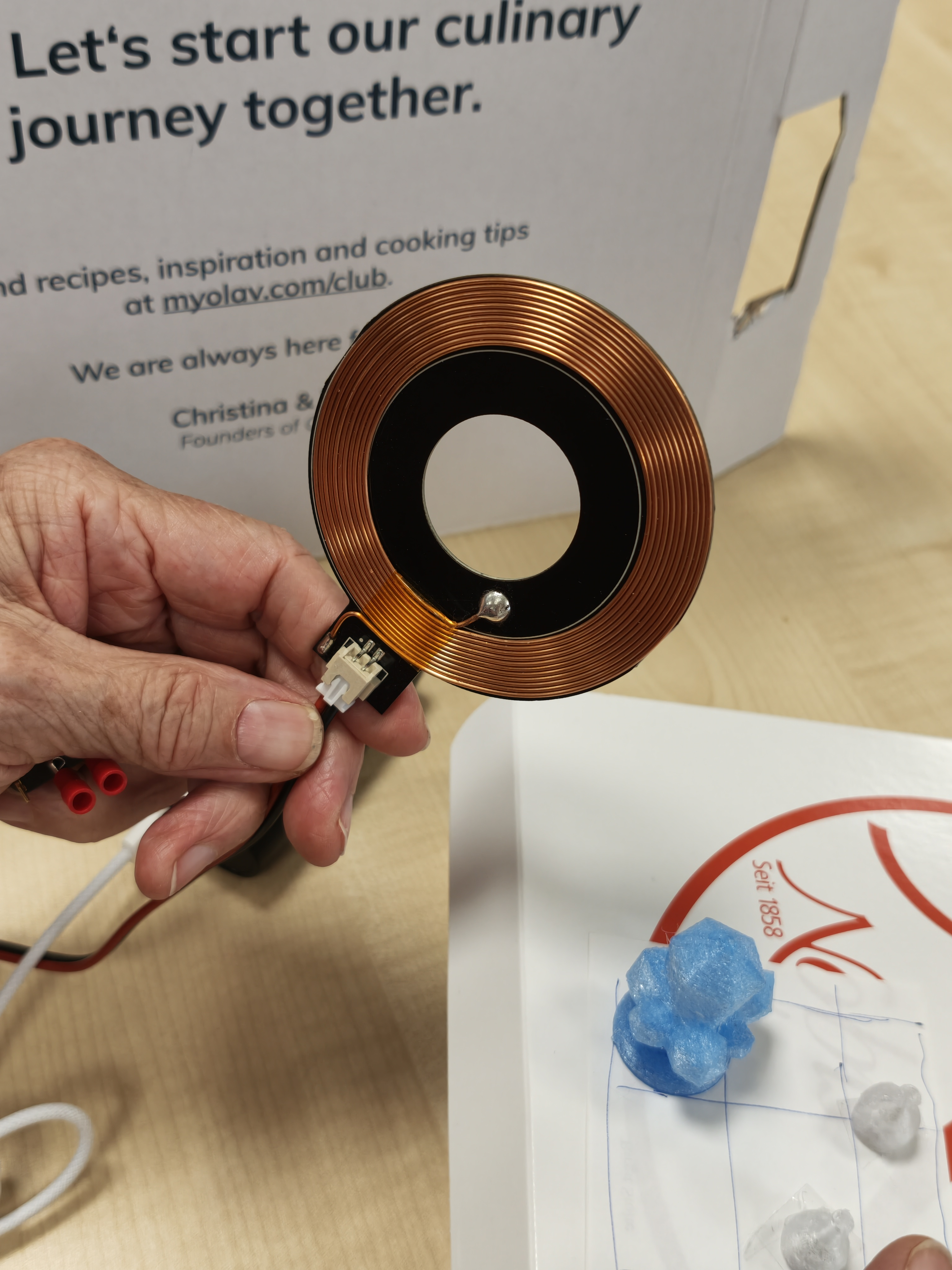
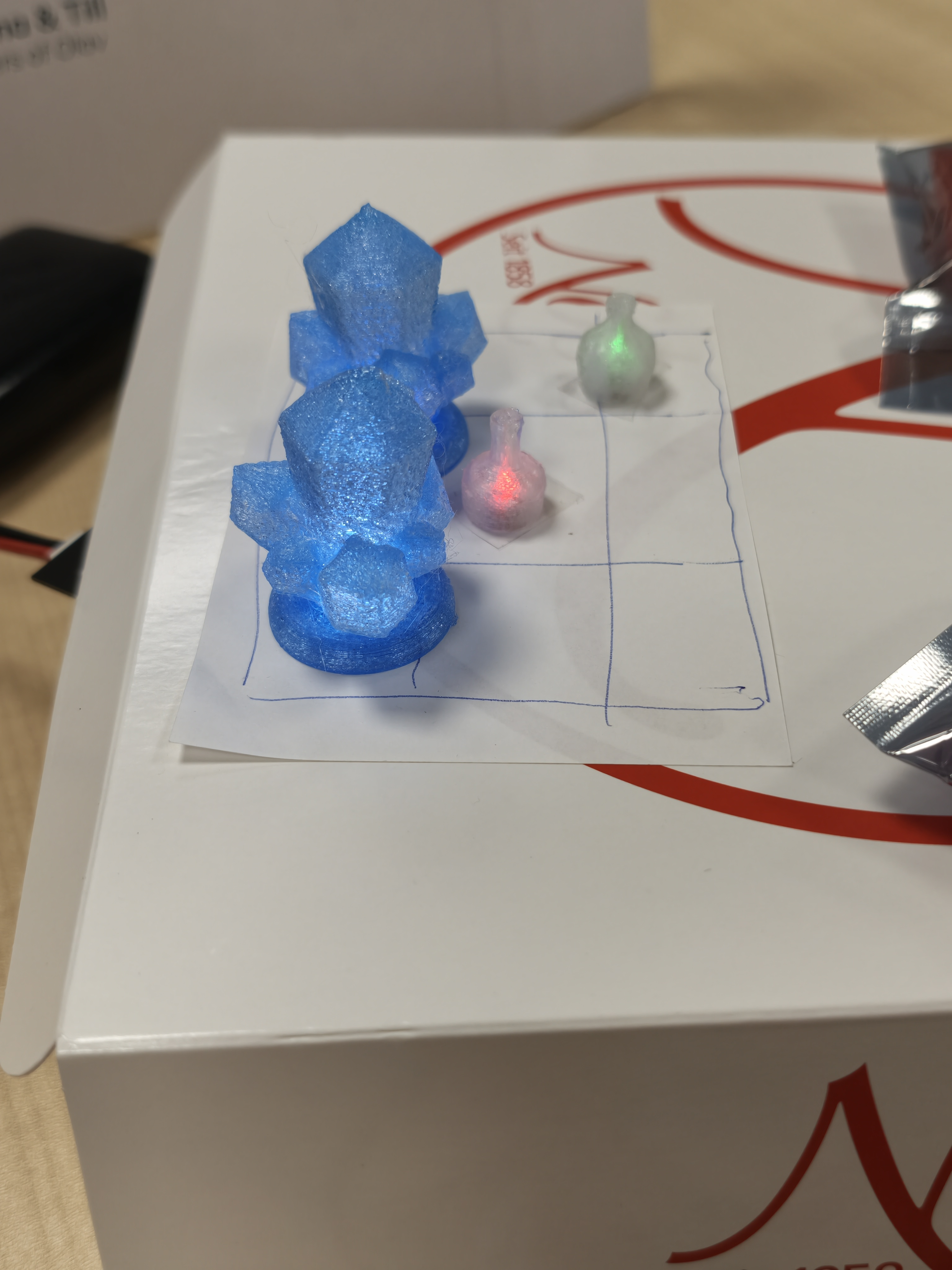
Birgit brought a Bambu Lab kit including an induction coil and ready-made LED modules. The LEDs light up automatically when brought within range of the transmitting coil. Some of them were placed inside translucent 3D prints to demonstrate possible applications. Birgit brought them mainly to gather inspiration for a more involved project using this technology.
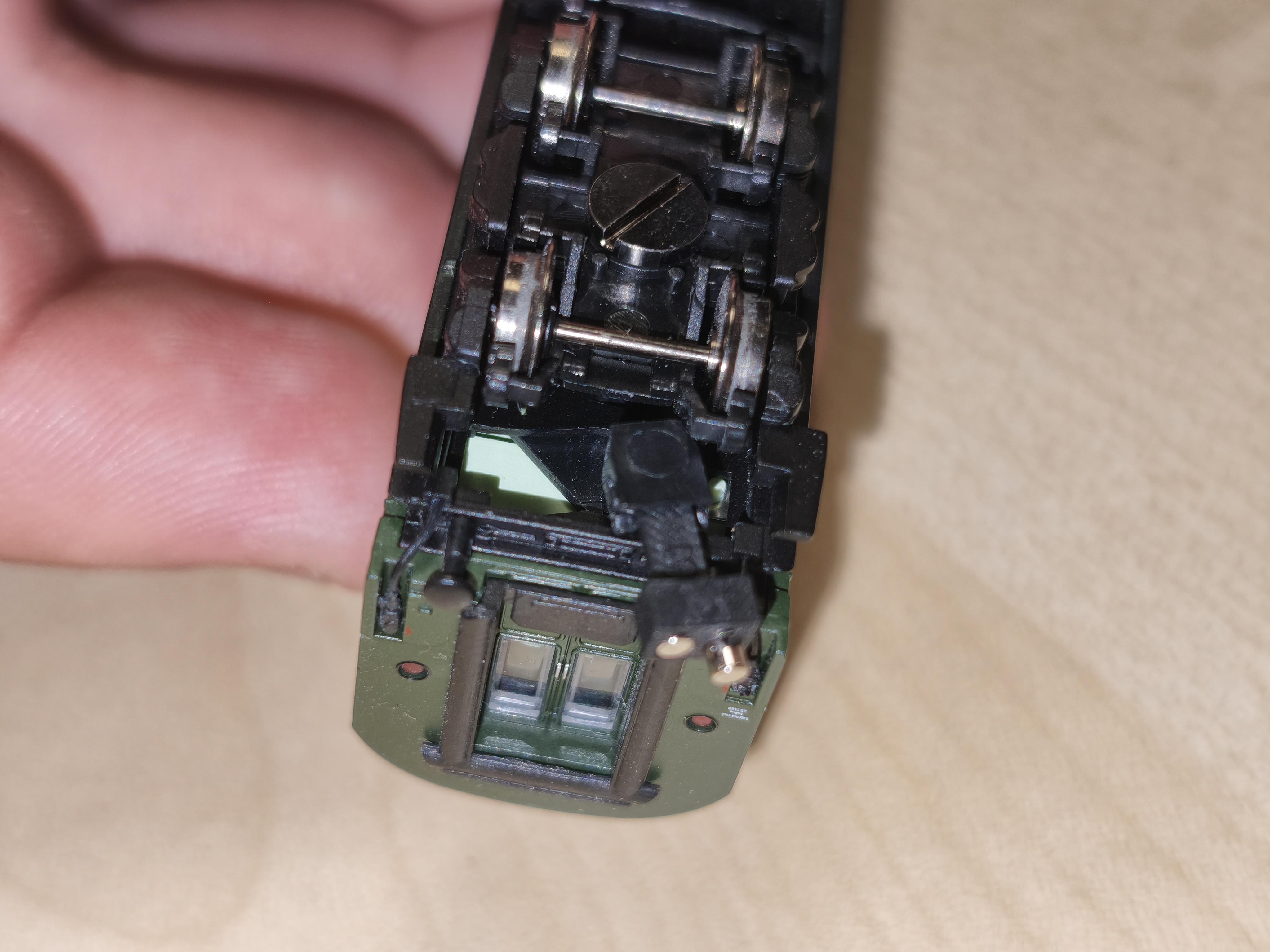
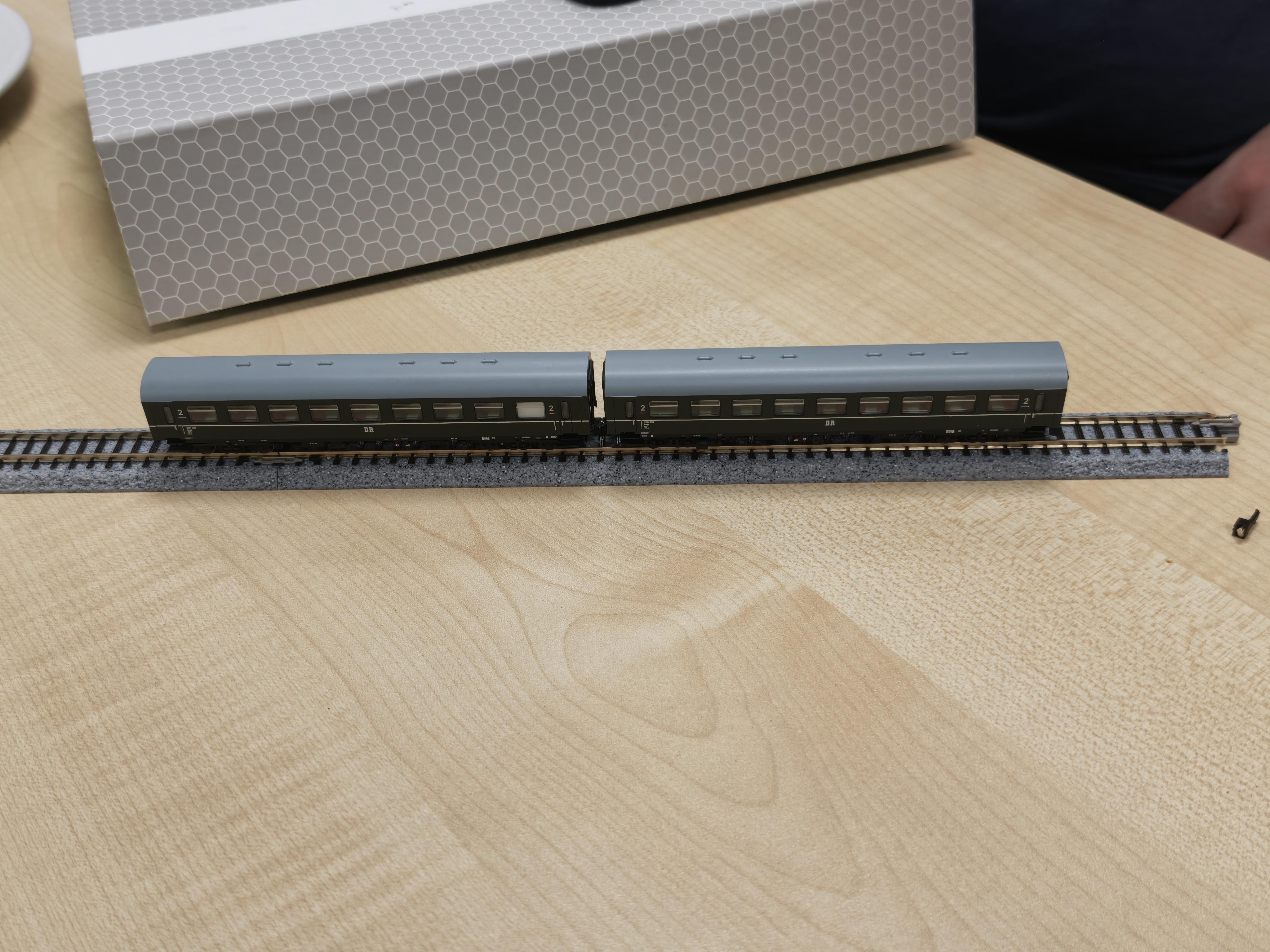
Torsten continued building his miniature world and brought two miniature train coaches with a custom 3D-printed train coupling. The new coupling is stronger and less visually intrusive than the stock version. The rest of the coaches remain unchanged, making this a simple but effective upgrade.
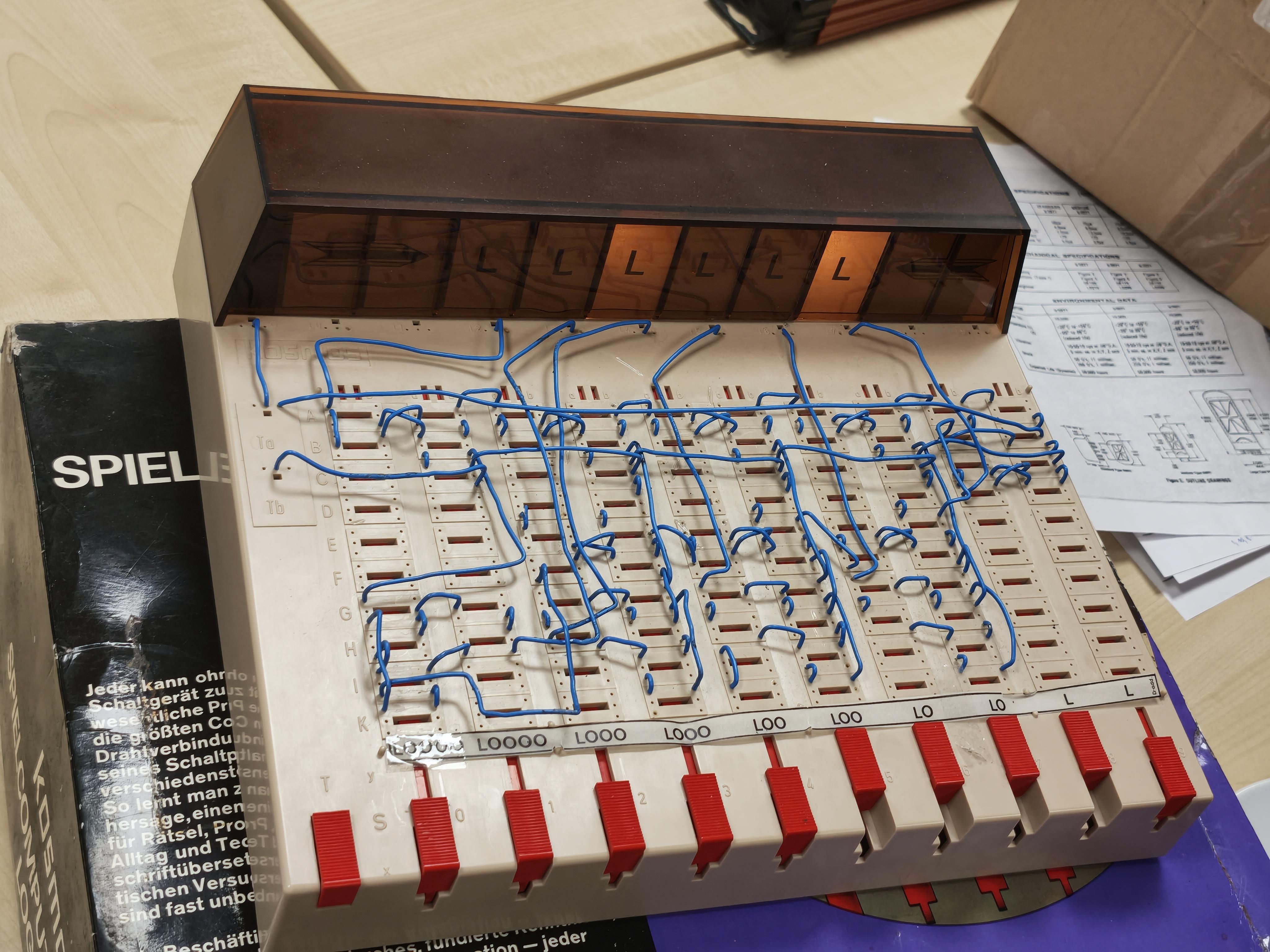
Roger brought two very different electronics projects. The first was the classic Logikus educational computer from Kosmos. This toolkit from the 60s can be used to build a 5-bit adder without any integrated circuits, using only mechanical switches, lamps, and wiring. His second item was a Nixie tube, showing us a modernized version of this vintage numerical display technology.
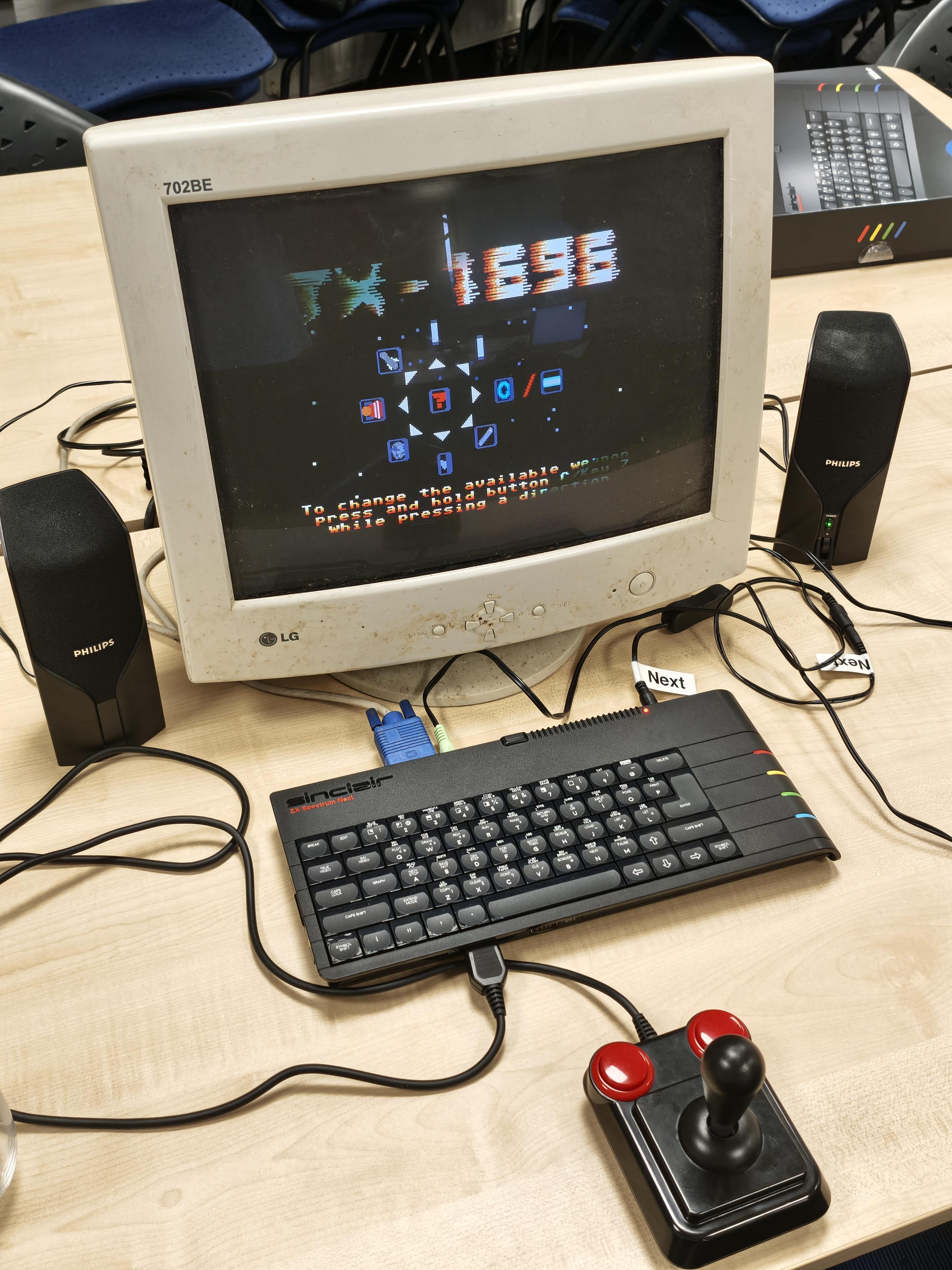
Jan once again brought his ZX Spectrum Next, a modern reinterpretation of the ZX Spectrum with upgraded hardware. It allowed us to play retro games with the feel of the original hardware. To complete the vintage atmosphere, he paired it with a CRT monitor for the full retro computing experience.